Kung Fu Panda 4

Kung Fu Panda 4

In Kung Fu Panda 4, Master Shifu (Dustin Hoffman) tells Po (Jack Black) that he must relinquish the title of Dragon Warrior and find a replacement so that he can become the Spiritual Leader of the Valley.  (You may recall that in the first movie, Master Oogway held that position and passed away after choosing Po as the Dragon Warrior.)  While Shifu insists Po needs to accept his new role in order to continue growing, Po actively resists the change.  Like anyone who has spent a long time doing things himself, he is uncomfortable with being promoted to “management”.  He loves fighting injustice and hanging with the Furious Five and doesn’t want to give either of them up for a role that he doesn’t understand.  (To its credit, the movie does a decent job explaining just what a manager–or Spiritual Leader–actually does.)

Continue reading “Kung Fu Panda 4”
Civil War

Civil War

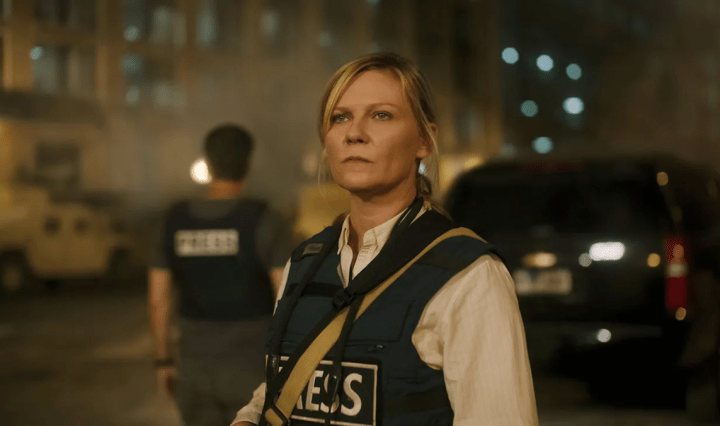
When I first saw the trailer for Civil War, I was underwhelmed.  It looked like a standard action movie, so much so that I wondered when Gerard Butler (star of the “Has Fallen” franchise) would show up to save the country from itself.  The combat footage didn’t look special, and the plot of the movie appeared to be entirely about how “America is fighting with itself”.  It wasn’t until people that I follow on social media explained the movie that I reconsidered seeing it.  While Civil War may be a nightmare scenario inspired by the Trump presidency, the movie isn’t about that at all.  For example, the movie’s Trump surrogate (a perfectly cast Nick Offerman) is barely shown in the movie.  (Not that I needed more than I got.)  And while Civil War may look like a traditional war movie at times, its primary focus is on how wars are represented by the media, specifically journalists.

Continue reading “Civil War”
The First Omen

The First Omen

For those keeping score, The First Omen is the third movie released this year where the Devil plays a significant role.  Previously, Late Night with the Devil and Immaculate reminded us that Old Scratch should never be underestimated.  What does this trilogy of cinematic devilness portend?  While I can’t speak for Immaculate (which I haven’t yet seen), the two movies featuring Beelzebub have been very good indeed.  Perhaps it’s time for someone to revive the Oh, God! franchise to balance things out.

Continue reading “The First Omen”
Wicked Little Letters

Wicked Little Letters

Describing Wicked Little Letters as a throwback feels odd.  I remember when British Period Comedies would regularly appear in theaters and be seen by what would politely describe as “senior audiences” in significant numbers.  The Full Monty was a Best Picture nominee back in 1997.  (Has it already been twenty-five years since it came out?)  Helen Mirren and Judy Dench once defined this genre, but haven’t been in anything like it in years.  Many things have conspired against this once dependable genre: COVID, streaming and changing audience tastes being primary among them.  Throwback or not, the movie is incredibly funny and will delight audiences who seek it out, either in theaters or on streaming.

Continue reading “Wicked Little Letters”
Arthur the King

Arthur the King

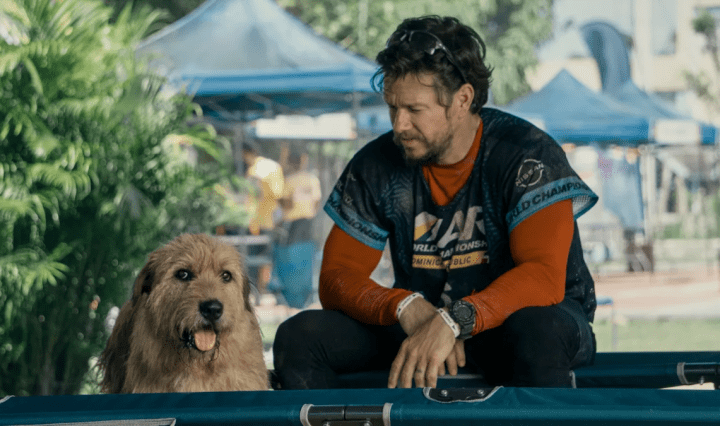
Everyone can relate to the idea of redemption.  I don’t mean in a religious sense, but getting another chance to succeed after failing the last time around.  Personally, if I thought about it for ten minutes, I would come up with a number of moments in my life that I wish I could do over.  But life usually doesn’t give us second chances, except when the failure involves sports.  In that case, you may get another chance simply because there’s always another season or, as is with Arthur the King, another race.

Continue reading “Arthur the King”
Killers of the Flower Moon

Killers of the Flower Moon

Having not read the book that Killers of the Flower Moon is based on, I can’t say conclusively that the movie would have worked better if it had also told the story from the Federal Agent’s perspective. I suspect that it would have, because all criminal investigations have a natural propulsive quality to them that pull you in. True crime stories are addictive because viewers want to experience the thrill of the investigation and hopefully see justice served in the end. The problem Scorsese and co-writer Eric Roth reportedly had with using that structure is that it would have relegated the Osage to the periphery and placed white men as the central figures of the story (as both villains and heroes). However, in placing Mollie and the Osage at the center of the events, the story loses nearly all of its dramatic tension as a result. The movie explains who the bad guys are, what they are doing and why from very early on, and the story unfolds from there without any real surprises to it. The audience is asked to witness each killing (or mysterious death) until the federal agents eventually arrive to put a stop to things at the two hour mark.

Continue reading “Killers of the Flower Moon”