Gladiator 2

Gladiator 2

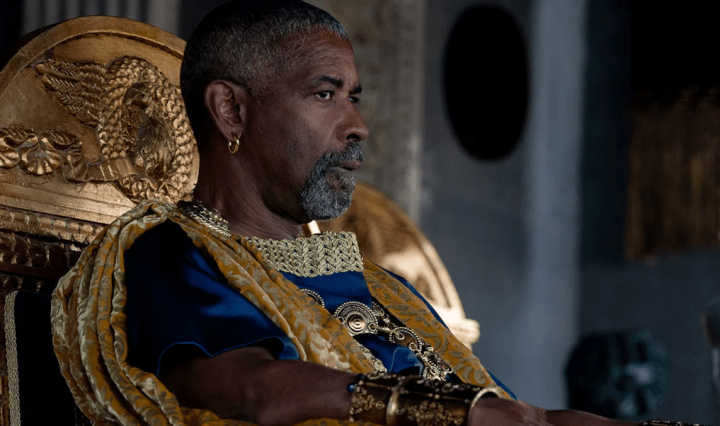
After twenty-four years, we finally have a sequel to Gladiator.  Why did it take so long to make a sequel to a film that was both a box office and critical success?  (The film won five Academy Awards, including Best Picture and Best Actor.)  There are several answers to that question, the first being that the writers were intent on bringing Russell Crowe’s Maximus back from the dead.  In case you may have forgotten, Maximus died shortly after killing the Emperor Commodus (Joakin Phoenix) in a fight to the death in the Colosseum.  Given that it’s extremely difficult to sell a sequel without the original’s main character, I can sympathize with why the writers stuck with the idea no matter how impossible it would have been to pull it off.  DreamWorks Pictures then went bankrupt in 2006, and Paramount Pictures put the project on hold indefinitely.  After eleven years, the story was reworked so that it no longer focused on Maximus, which was probably for the best because Crowe had since aged out of the part.  (See 2016’s The Nice Guys for evidence of how Crowe had “filled out” in the intervening years.)

Continue reading “Gladiator 2”
Heretic Hugh Grant

Heretic

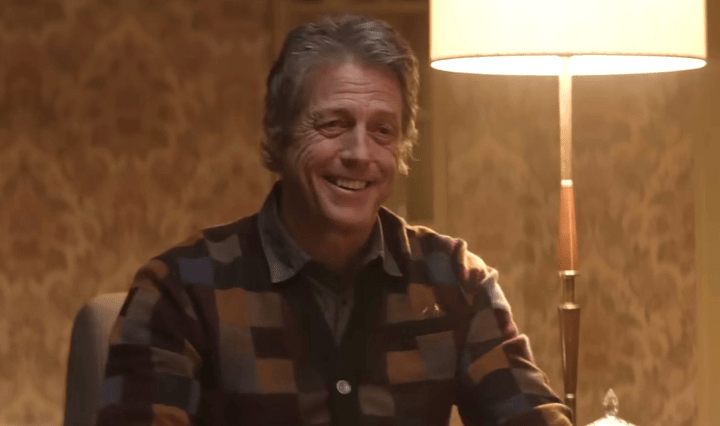
This will sound odd, but if I were in charge of The Church of Latter Day Saints, I would promote the heck out of Heretic.  Why?  Because it’s a story that depicts Mormons as being a grade above the nerds of organized religion they’re typically made out to be.  After the thorough skewering the religion received at the hands of The Book of Mormon, any positive depiction of it should be welcomed by church elders with open arms.

Continue reading “Heretic”
Conclave

Conclave (review)

Contrary to what you may read elsewhere, Conclave is not an Agatha Christie style murder mystery.  First, there are no murders within the story.  The Pope who if found deceased at the outset died from natural causes.  Apparently, he kept his health status close to the vest, for reasons that become clear through the actions of those in his inner circle following his death.  Additionally, none of the other players–cardinals, nuns and monsignors–wind up dead either.  Second, while there is mystery surrounding one key character, the plot is not dependent upon its resolution.  While the revelation of this person’s secret comes as a complete surprise, it doesn’t affect the actual outcome of this incredible and thoroughly engrossing story.

Continue reading “Conclave (review)”
Conclave

Conclave (analysis)

The genius of Conclave is in how it disguises the mystery at its core until the very end.  In the interim, the movie presents a series of ancillary mysteries that, as they are addressed, combine like puzzle pieces to reveal what the story was actually about.  Only then do we understand that the story was about how the pope did everything he could to ensure that the right man succeeded him.  In other words, the pope works in mysterious ways.

Continue reading “Conclave (analysis)”
Cobweb

Cobweb

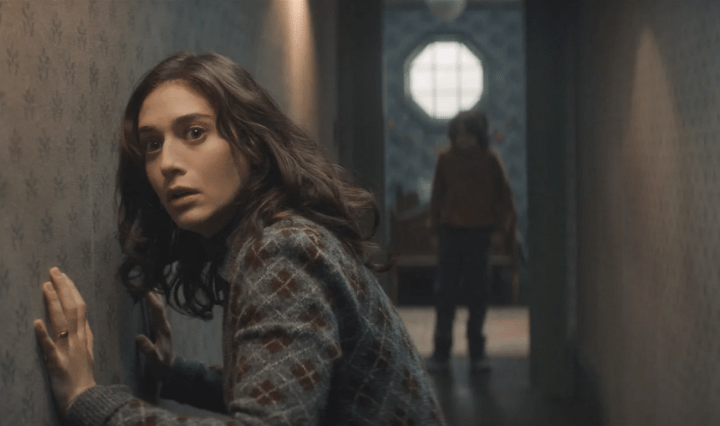
I enjoy horror movie cliches.  I wouldn’t be able to watch as many horror movies as I do if I didn’t.  For example, most horror movies have at least one scene where a door emits an agonizing squeak while opening slowly.  Just like the light that stops working at the worst possible moment, the creaky door moment is a staple of horror movies.  These cliches and horror movies go together like hands and gloves, bacon and eggs or Michael Myers and Halloween.  Even though I can sense when a creaky door is about to make an appearance, I always appreciate when a movie does them correctly.  The problem I had with Cobweb isn’t that it has at least a half-dozen creaky door scenes, but that none of them had any effect on me.  Even worse is that I had the same reaction to every other scary element in this movie:  none.

Continue reading “Cobweb”